
ARGUMENT 2: GROUPTHINK
Which of you is the best at keeping your groupthink tendencies in check?
The new version of the Global Internal Audit Standards IPPF will enter into force on 9 January 2025, with changes in both structure and content. One significant new topic is Standard 2.1, Individual Objectivity. This relates to our thinking and how we do it. Daniel Kahnemann, a Nobel laureate who has studied this topic, has said that he is not immune to cognitive bias, and I am sure no one else is. The standard sets the standard: "Internal auditors must be aware of and manage potential biases." The aim is not to get rid of them completely, but to be aware of them and manage them in ways that are appropriate to the situation.
You need to be aware of the bias Managing biases is not easy because they are by their very nature unconscious. So our thinking is skewed in ways we don't notice. This is why team and peer feedback are key. When the team becomes aware of biases and develops its practices to address them, team members can collectively become aware of them and manage them.
Some of the quirks are familiar, some more alien The most commonly known biases include Group Think, which tends to lead groups to settle on solutions they know or were the first to say, and Not Invented Here, where people and groups need solutions invented elsewhere, leading to inefficiencies. But there are many more: science has identified more than a hundred. The simulation looks at ten of the most important flaws for the work of internal audit, including all the flaws mentioned in the standards.
Book a 30min appointment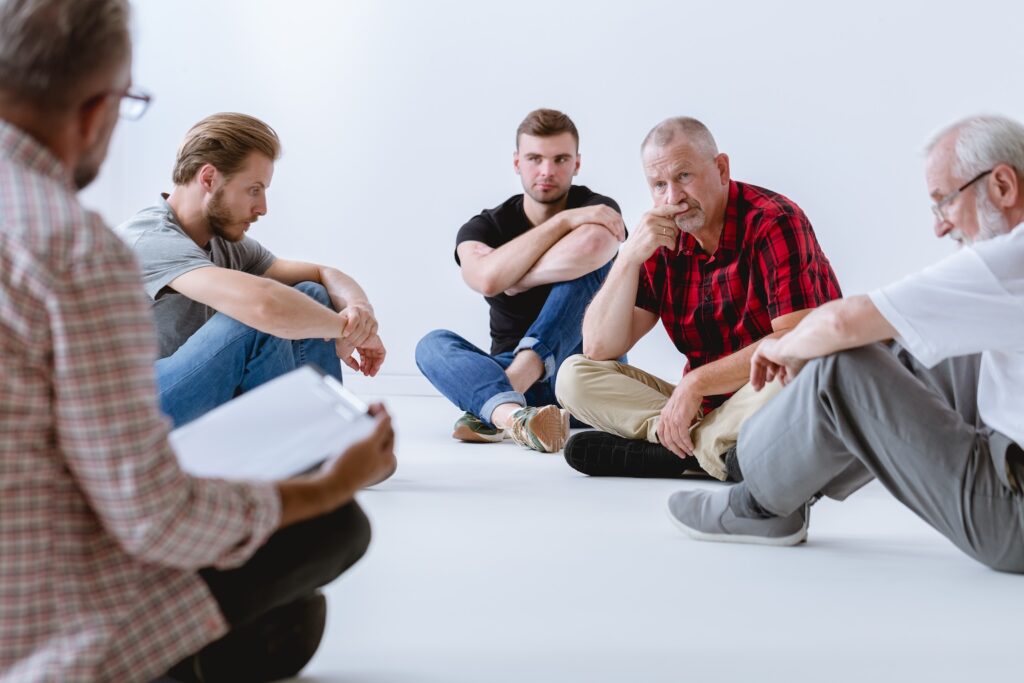
The simulation has been compiled from various sources on cognitive bias, the most important of which is Kahnemann's Thinking, Fast and Slow (2011). The Global Internal Audit Standards IPPF has been used for selection and orientation.
More than 100 biases have been identified and the most relevant ones for internal audit have been selected, such as Self-Review Bias and Familiarity Bias.
This simulation is different from the others in that the topics covered are not familiar to many players. In addition to team discussion and learning from colleagues, the simulation has a clear introductory objective: to make participants aware of biases.