In the challenging environment of the welfare regions,amidst constant pressure for changeand hustle and bustle, Katri Mannermaa, Work Community Manager of the Satakunta Welfare Region, looked for more effective ways to support collaborative learning than traditional training.
The SmoothTeam simulation demo immediately generated enthusiasm, which led to piloting in three different units.
"Traditional classroom teachingdoes not stimulate learning about oneself in the same way, which is why new ways of learning about oneself or others are needed. SmoothTeam's conversation-stimulating, reflective way - is a stimulating way to learn." - Katri Mannermaa, Workplace Manager
Challenge: No time to stop in the midst of rush and change
Everyday life in the welfare area is characterised by constant change: mergers, staff changes and the rush of work means that there is no time to stop and look at what's going on. "The rush and change mean that we don't stop to think about how we can promote cooperation," says Mannermaa. We needed a way to pause together to examine our own strengths and those of others, as well as their stress factors.
Solution: a safe space for collective discussion
SmoothTeam stood out from other methods because it does not pigeonhole people into one particular way of doing things.Instead,the simulation is built around "open wondering" and unhurried discussion. This created a safe atmosphere where people dared to talk openly about difference.
"I think the absolute strength of the whole concept is the conversational aspect: not just looking at a result, but learning together about our own and others' ways of interacting. Identifyingdifferent ways of working in a practical way."
Results and insights: confirmation of findings
According to Mannermaa, the joint discussion was the best part of the simulation. It stopped teams in their tracks and supported learning more effectively than traditional methods.
The pilot produced tangible benefits:
- A deeper understanding of yourself and others
- The simulation highlighted how superficial knowledge affects cooperation and how false first impressions can create friction between people. Important insights emerged from the simulation's discussion as assumptions were dismantled and team members were able to hear how others perceive them.
- Insight into remote work
- The simulation helped me to understand how working remotely and working alone affects cognition and a sense of belonging. This will be better taken into account in the future so that remote workers also feel part of the community and not alone.
- Confirmation of team dynamics findings
- The simulations and the resulting reports helped in dividing new teams and how to take into account diversity and who best supports and strengthens each other at work.
"By talking together and listening to each other's observations, you can learn new perspectives. If there is no discussion about the activities of the members of the work community, people start to interpret too much, and in pressure situations, the actions of others can be misinterpreted."
Who is SmoothTeam for?
Katri Mannermaa recommends simulation for all work communities, especially for expert organisations and teams whose work is based on interaction. "This is a very good concept for everyday learning in a work community," Katri sums up.
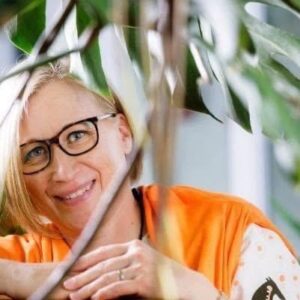
Katri Mannermaa
Workplace Manager
Satakunta Welfare Region